
Quick Answer
- Infrared saunas offer perks like gentle heat for recovery, but downsides include dehydration, overheating, potential EMF exposure in poor models, high upfront costs ($1,000-$10,000+), and less intense detox compared to traditional saunas.
- For urban professionals, they suit small spaces but may cause light-headedness or skin dryness if overused.
- Choose low-EMF brands to minimize risks; benefits such as pain relief and better circulation often outweigh cons for moderate users, per health sources.
Table of Contents
Understanding the Question
You’re a busy urban professional in your 40s, eyeing infrared saunas for post-workout recovery in your compact apartment. When searching “what are the downsides of infrared saunas?”, you want balanced insights to avoid pitfalls like hidden health risks or wasted money. This question arises from hype around benefits, but concerns over safety and practicality linger, especially with pain points like installation complexity and EMF confusion.
Infrared saunas use light to heat your body directly, differing from traditional air-heating models. While popular for wellness, understanding cons helps decide if they fit your lifestyle without regrets.
Detailed Explanation
Infrared saunas promise therapeutic heat, but several drawbacks merit attention.
Health Risks
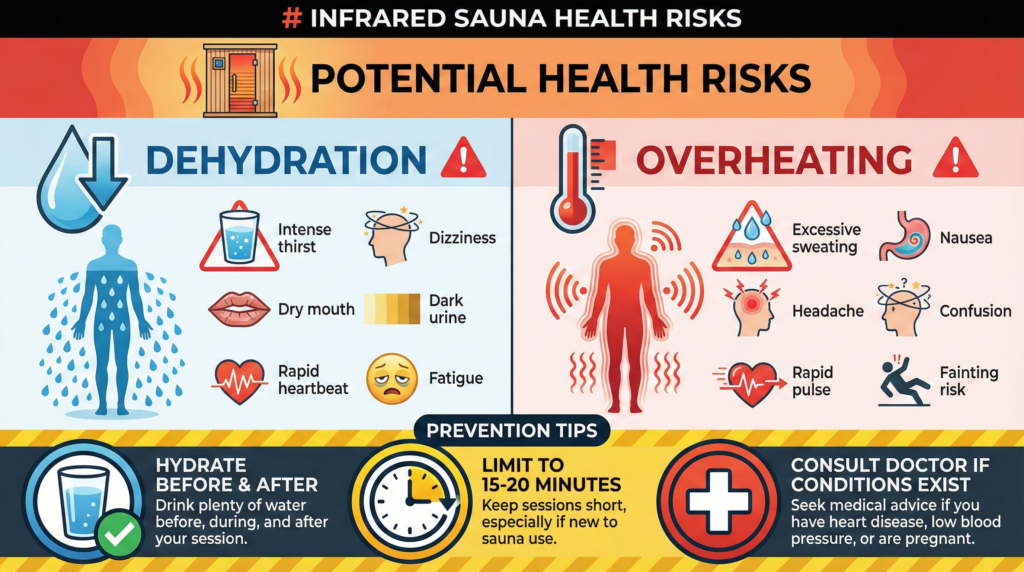
Overheating and dehydration top the list—sessions can lead to excessive sweating without feeling as hot, risking dizziness or fainting if not hydrated. Near-infrared types may accelerate skin aging or cataract risks with prolonged exposure.
EMF exposure varies; cheap models emit high levels (up to 100mG), potentially causing fatigue or other issues, though low-EMF options stay under 3mG. No definitive harm from low levels, but lack of standardization fuels confusion.
Practical Drawbacks
High costs deter many—portable units start at $200 but quality ones hit $5,000+, plus electricity ($0.50/session). Installation for larger models needs electricians, complicating apartment setups.
Maintenance involves cleaning to prevent mold, and dry heat can irritate airways or skin. Less steam means milder detox for some preferences.
Key Characteristics
Downsides stem from infrared tech’s nature.
EMF and Safety
EMF ratings lack uniform testing—aim for <3mG to stay safe. Quality brands shield heaters, but budget ones don’t. EMF and Safety
Electromagnetic fields (EMF) are a concern for many people, as prolonged exposure may have adverse health effects. One crucial aspect to consider is the lack of standardized testing for EMF ratings across different products. This inconsistency makes it challenging for consumers to gauge the safety of various devices.
To minimize potential risks, it’s advisable to look for devices that emit EMF levels below 3 milligauss (mG). Staying under this threshold can help reduce exposure and enhance safety.
When shopping for heaters, it’s essential to choose quality brands that incorporate effective shielding techniques. These brands invest in technology designed to minimize EMF emissions, providing a safer user experience.
In contrast, budget options often skimp on these protective features. As a result, they may emit higher levels of EMF, potentially compromising your health over time. Always research and prioritize products that emphasize EMF safety, ensuring your home environment remains as safe as possible.
Other Articles You May Be Interested In:
- Are Portable Infrared Sauna Kits Worthwhile? Pros, Cons, and Key Considerations
- Top 5 Portable Infrared Sauna Kits for Home Use in 2026
- Solstice Portable Infrared Sauna vs Equinox 2-Person Portable Sauna: Which is Better?
- SLISAU35BK Portable Steam Home Spa vs Full Size Portable Infrared Sauna?
- Portable Infrared Sauna Kits (2026): Sun Home Saunas vs. Radiant Health Saunas
- Best Infrared Sauna Blankets: Reviews & Comparison (2026)
- Portable Infrared Sauna for Home: Best Compact & Lightweight Options for Small Spaces (2026)
- Comparing Budget vs. Premium Portable Infrared Sauna Kits: What You Get
Heat and Comfort
Gentle temps (110-170°F) suit beginners but may not satisfy intense heat seekers. Dry environment risks skin dryness without moisture addition.
Cost and Setup
Upfront investment high; portables easier but less durable. Energy use moderate but adds to bills.
Table of Key Downsides:
| Downside | Description | Mitigation Tip |
| Dehydration | Excessive sweat without intense feel | Hydrate pre/post-session |
| EMF Exposure | Variable in models | Choose low-EMF certified |
| High Cost | $1,000+ for quality | Start with portable blankets |
| Skin Irritation | Dry heat effects | Moisturize after use |
| Overheating | Risk in long sessions | Limit to 20-30 minutes |
Takeaway: Check certifications before buying.
Real-World Examples
A biohacker overused a near-infrared model, reporting eye discomfort after weeks—switched to far-infrared for relief. An apartment dweller faced $300 electrician fees for a cabin install, regretting not choosing plug-in portable.
Chronic pain sufferer experienced light-headedness from dehydration in initial sessions but adjusted hydration for better tolerance. A professional noted higher energy bills ($15/month) with daily use, offsetting some recovery gains.
Action step: Consult a doctor if you have conditions like heart issues.
Benefits and Advantages
Despite cons, infrared saunas provide value. While infrared saunas do come with some drawbacks, they offer significant benefits that many find worthwhile.
One of the most notable advantages is their ability to promote relaxation. The gentle heat penetrates the skin, helping to ease muscle tension and reduce stress levels.
Additionally, infrared saunas can enhance circulation. As the body warms up, blood vessels dilate, improving blood flow and potentially leading to better cardiovascular health.
Another benefit is detoxification. Infrared sauna sweating may help eliminate toxins, such as heavy metals and chemicals, from the body.
Moreover, users often report improved skin health. The increased blood flow can contribute to a brighter complexion, reducing the appearance of acne and other skin issues.
However, it’s essential to stay hydrated and not overuse the sauna to mitigate potential side effects like dehydration or overheating.
Health Perks
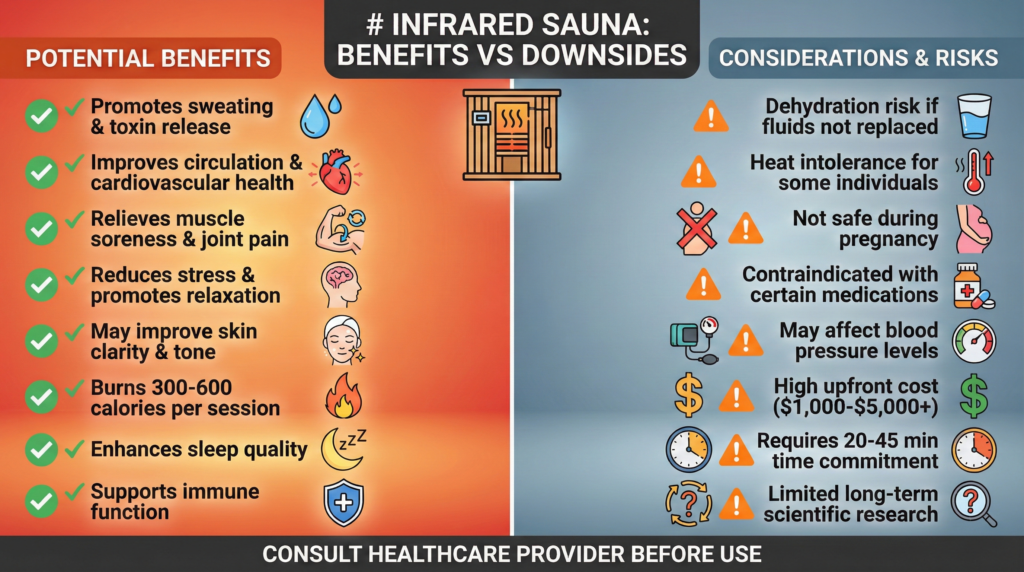
Improved heart health, muscle soothing, and pain relief stand out—studies show reduced blood pressure and inflammation. Relaxation and better sleep aid busy lifestyles.
Practical Edges
Easier setup than traditional—no venting needed. Lower temps make them accessible for mobility issues.
Compared to Traditional
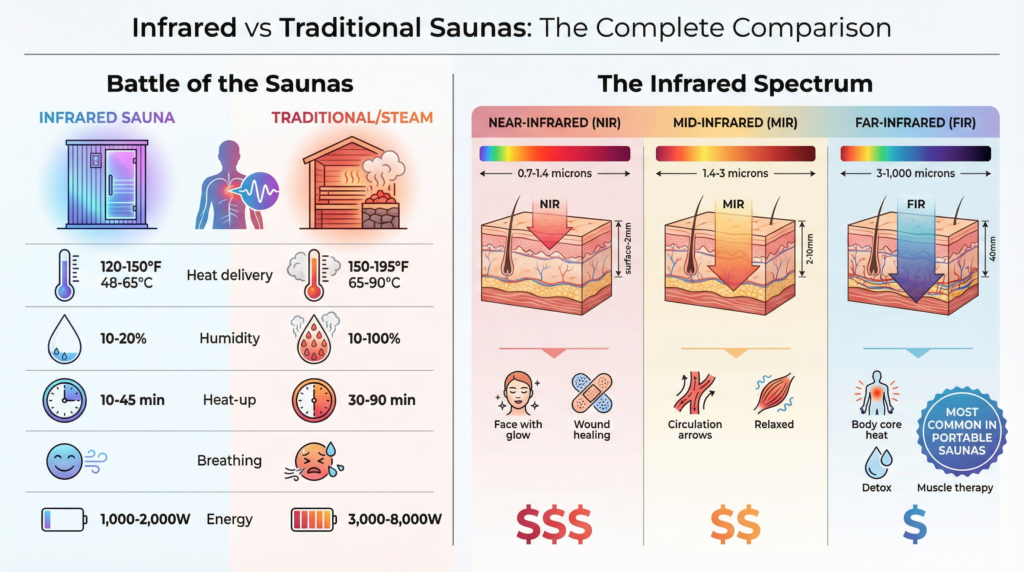
Deeper penetration for recovery without high heat tolerance required. Energy-efficient for home use.
Quick value: Pair with cold therapy for enhanced recovery.
Related Concepts
EMF shielding: Look for third-party tested models. Hydration protocols: Drink electrolytes before/after.
Alternatives: Steam showers for moist heat or infrared blankets for portability. Contraindications include pregnancy or pacemakers.
Conclusion
What are the downsides of infrared saunas? They include health risks like dehydration and EMF, plus practical issues like cost and maintenance—but mitigated with quality choices. For your urban routine, benefits like pain relief often tip the scale positively if used wisely.
Frequently Asked Questions
Can infrared saunas cause dehydration?
Yes, due to heavy sweating—hydrate well to avoid dizziness. Infrared saunas increase your body temperature, prompting heavy sweating to cool you down.
This process can lead to significant fluid loss. As you sweat, your body is shedding not just water, but also essential electrolytes.
Without proper hydration, you may experience dizziness, lightheadedness, or fatigue.
To prevent dehydration, it is crucial to drink plenty of water before, during, and after your sauna session.
Listen to your body — if you feel overheated or dizzy, it’s time to take a break.
By staying well-hydrated, you can enjoy the benefits of your infrared sauna while minimizing the risks of dehydration.
Remember to replenish lost electrolytes as well, especially if you’re spending extended time in the heat.
Are EMF levels in infrared saunas dangerous?
Varies; low-EMF models are safe under 3mG, but untested ones pose risks. Are EMF levels in infrared saunas dangerous? The answer depends largely on the specific sauna model you choose.
Low-EMF infrared saunas, which have electromagnetic field (EMF) levels below 3 milligauss (mG), are generally considered safe for regular use. These models are designed to minimize EMF exposure, making them a healthier option for individuals sensitive to electromagnetic radiation.
On the other hand, saunas that have not undergone rigorous testing may pose hidden risks. Without verified EMF levels, it’s difficult to assess their safety accurately.
Long-term exposure to high EMF levels potentially has health implications, so it’s important to do your research. Ensure that any infrared sauna you consider is certified and has been specifically designed to maintain low EMF levels.
Ultimately, choosing a sauna with low EMF ratings can help mitigate health concerns while allowing you to enjoy the benefits of infrared therapy. Always prioritize safety and consult experts if you have specific health conditions.
Do infrared saunas dry out skin?
Dry heat can lead to dryness—moisturize post-session. Infrared saunas can indeed cause skin to feel dry due to the intense heat they generate. The dry heat draws moisture from the skin, which can result in a parched feeling after your session.
To combat this, it’s essential to hydrate both before and after using the sauna. Drinking plenty of water helps maintain hydration levels and ensures your skin stays plump and healthy.
Additionally, applying moisturizer post-session can replenish lost moisture. Opt for a hydrating lotion or oil to help lock in that moisture, keeping your skin soft and supple.
Regular use of an infrared sauna can also have benefits, as long as you take steps to care for your skin. By following these precautions, you can enjoy the therapeutic effects of infrared saunas without sacrificing your skin’s hydration.
Who should avoid infrared saunas?
Those with heart conditions, tumors, or recent attacks—consult doctors. Infrared saunas can offer various health benefits, but certain individuals should exercise caution.
People with heart conditions may face risks due to the heat exposure that raises heart rate and blood pressure. It’s crucial for these individuals to consult their healthcare provider before using an infrared sauna.
Those with tumors should also avoid these saunas. The heat might potentially stimulate tumor growth, creating a risk that isn’t worth taking.
Additionally, individuals who have recently had a heart attack should steer clear. The body’s response to heat can be taxing on a recovering heart.
Pregnant women should seek medical advice as well. The elevated temperatures can affect fetal development.
Always prioritize safety and health by discussing sauna use with a doctor, especially if you have any underlying medical conditions.
What are the main benefits of infrared saunas despite downsides?
Pain relief, circulation boost, and relaxation for recovery. Infrared saunas offer several compelling benefits, making them a popular choice for many seeking wellness solutions. One of the primary advantages is effective pain relief. The heat penetrates deeply into the muscles and joints, alleviating discomfort from conditions like arthritis or muscle strains.
Another significant benefit is the boost in circulation. The heat causes blood vessels to dilate, which enhances blood flow. This increased circulation can aid in delivering essential nutrients to tissues and speeding up recovery after physical activity.
Additionally, infrared saunas promote relaxation. The soothing warmth helps reduce stress levels, allowing users to unwind and achieve a peaceful state of mind. This is particularly valuable in today’s fast-paced world.
While there are downsides, such as potential dehydration or heat sensitivity, the overall benefits can far outweigh these concerns when used properly. Regular sessions can contribute to overall well-being, enhancing both physical and mental health.
This guide provides educational information for selecting infrared saunas. Some links may be affiliate links, meaning this site may earn commissions on purchases at no additional cost to you.
Disclaimer: The wellness benefits described are based on general research and user experiences. Individual results may vary as these are only opinions. Consult with a healthcare professional before beginning any new wellness routine, especially if you have pre-existing medical conditions, are pregnant, or take medications. Infrared sauna use is not intended to diagnose, treat, cure, or prevent any disease.